Looking for value-add opportunity in Los Angeles can feel exciting and overwhelming at the same time. You may see an older house, a small multifamily property, or an underbuilt lot and wonder whether the upside is real or only looks good on paper. The good news is that Los Angeles still offers real value-add paths if you know what to look for, what to verify, and where local rules shape the outcome. Let’s dive in.
Why Los Angeles Still Creates Opportunity
Los Angeles continues to produce value-add inventory for a simple reason: much of its housing stock is old. According to the City’s Housing Element, nearly half of the housing stock was built before 1960, and about one in five units was built before 1939. Older properties often come with deferred maintenance, outdated systems, and layout issues that create room for improvement.
That age profile matters because value-add in Los Angeles is often more than a paint-and-flooring story. Older homes and buildings can have structural, plumbing, electrical, and habitability issues that require a more careful review. For many buyers, the opportunity is tied to both physical improvement and future flexibility.
City policy also plays a major role. Los Angeles has been updating zoning and housing rules through its Housing Element Rezoning Program, including new ordinances adopted in February 2025. That means some properties may offer upside through added housing capacity, reuse potential, or site planning options, not just renovation alone.
What Value-Add Buyers Usually Target
Fixer Single-Family Homes
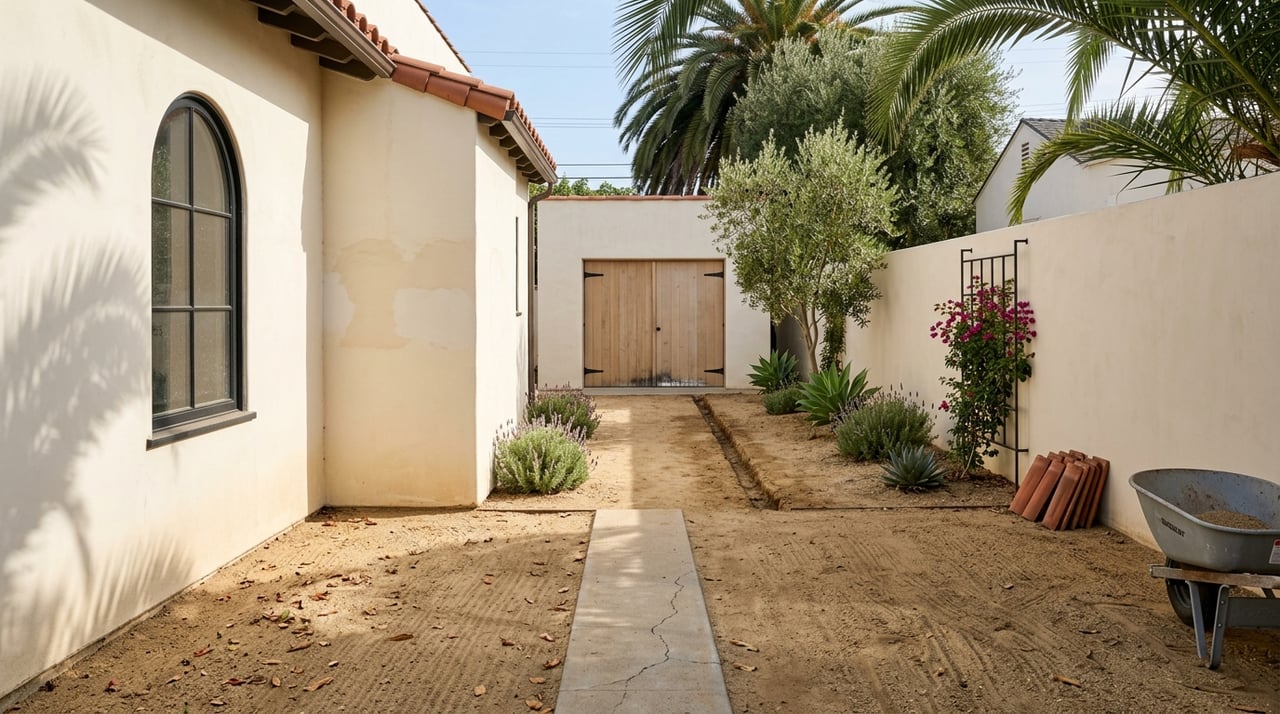
Older single-family homes are often the most obvious value-add opportunity. In many cases, you are buying location, lot utility, and future potential as much as the home’s current condition. If the site allows a smart addition, reconfiguration, or improved outdoor use, the upside may be stronger than a purely cosmetic project.
In Los Angeles, this matters because so many homes predate modern layouts and building expectations. A property with a workable lot, sensible access, and room to improve can stand out more than a house that simply looks dated. Buyers who think beyond finishes often see possibilities others miss.
Small Multifamily Properties
Small multifamily properties can appeal to buyers who want to improve units, address deferred repairs, and strengthen operations over time. This can include duplexes and small apartment buildings where updates may increase functionality and long-term appeal. In some cases, preserving and improving an existing building may make more financial sense than starting from scratch.
The City’s Housing Element noted that in 2020, the average rehab cost to preserve an affordable multifamily building was about $108,000 per unit, compared with about $353,000 per unit for new affordable multifamily construction. That does not guarantee every rehab will outperform new construction, but it helps explain why existing buildings remain attractive to value-add buyers.
With multifamily, local regulations matter from day one. The Los Angeles Housing Department says rental units built on or before October 1, 1978 are generally covered by the Rent Stabilization Ordinance, which regulates rents and evictions. If you are looking at a rental property, understanding that status is part of the initial screening, not something to figure out later.
Underbuilt Lots and Infill Sites
Some of the most interesting opportunities are properties that look ordinary today but may support more housing tomorrow. An underbuilt lot, a lightly improved parcel, or a site with room for an accessory structure can attract buyers who think in phases. In Los Angeles, local housing rules have made this category more important.
The Los Angeles Housing Department defines an ADU as an attached or detached independent dwelling unit on a lot with a primary residence. It also notes that a JADU can be up to 500 square feet inside a single-family home. Depending on the lot and the existing improvements, that can create additional options for future use and value.
SB 9 adds another layer of interest for certain single-family zoned lots. The City says SB 9 can allow two dwelling units on a single-family lot and may also allow an urban lot split, subject to eligibility and standards. For buyers with a longer-term strategy, this can make some parcels more valuable than their current setup suggests.
Adaptive Reuse and Transit-Oriented Potential
Some value-add buyers look beyond traditional homes and focus on building type, zoning, and location relative to transit. Los Angeles expanded its Citywide Adaptive Reuse Ordinance beyond Downtown to eligible buildings across city limits in certain zones. That broadens the conversation around conversion, repositioning, and reuse.
Transit-oriented policy also matters. The City’s planning framework encourages housing near major bus and rail stops, so commercial corridors and mixed-use areas may offer more upside than they first appear to have. In these cases, the opportunity may come from legal and planning potential as much as from the building itself.
Where Buyers Tend to Focus in Los Angeles
Older Central Areas
Opportunity often clusters where older buildings are more common. The City’s Housing Element notes that central areas historically contain a larger share of SROs and residential hotels, and it also points to a concentration of units lacking complete kitchens or plumbing in those areas. That helps explain why many near-central and central properties may need more than surface-level work.
For a value-add buyer, this can mean a larger pool of fixer homes, older small multifamily buildings, and properties with operational or physical issues to solve. The key is not to assume every older property is a good opportunity. The real question is whether the needed work and local rules still leave room for a smart outcome.
Valley Lots and Expansion Potential
The City also notes that nearly half of population growth since 2010 has been in the Valley. That makes Valley properties worth watching, especially if you are evaluating single-family lots with room for additions or accessory units. While this is a citywide pattern rather than a rule for every neighborhood, it gives useful context.
In practical terms, buyers may pay attention to lots where the existing home does not fully use the site. A home with extra yard area, a functional layout for expansion, or a lot that may support additional housing options can attract more value-add interest.
Corridors Shaped by Zoning and Plans
In Los Angeles, opportunity is often shaped less by a ZIP code and more by built form and local planning rules. The City’s 34 Community Plans guide parcel-level land use decisions, and the broader rezoning program works alongside those local updates. That means two properties located fairly close to each other can have very different value-add potential.
For buyers, this is why zoning and community-plan context matter so much. A property on or near a commercial corridor, in a mixed-use setting, or within an area seeing planning updates may deserve a closer look. Sometimes the best opportunities are not the most obvious from the street.
What Smart Buyers Verify First
Start With Legal Feasibility
A value-add deal only works if the upside is legally possible. In Los Angeles, that means checking zoning, permit history, ADU eligibility, SB 9 eligibility, and whether the property sits within a historic district or HPOZ. Before you spend too much time modeling future value, you want to know what the site can actually support.
The City says SB 9 applications use an eligibility checklist in ZIMAS, and objective standards cannot be applied to physically preclude two 800-square-foot units or an urban lot split. That makes the first stage of review highly practical: verify what rules apply to the parcel before making assumptions about the project.
Review Rent Rules Early
If the property has rental units, rent rules can shape the entire business plan. The Los Angeles Housing Department says units built on or before October 1, 1978 are generally covered by the Rent Stabilization Ordinance. It also notes that the treatment of an ADU or JADU can depend on how and where it was added, especially on a pre-1978 single-family parcel.
This is one of the biggest differences between a casual search and a construction-aware search. A property that seems attractive based on unit count or lot size may underperform expectations if its rent status or occupancy situation limits your options.
Underwrite Hidden Building Issues
Older Los Angeles properties can hide expensive problems behind a good location. The City’s Housing Element warns that aging stock is more likely to have structural problems, unsafe plumbing, unsafe electrical systems, and other habitability issues. That makes inspections and permit review essential to your analysis.
For many buyers, the mistake is treating construction risk as a later-stage concern. In Los Angeles, it belongs in the first round of underwriting. A strong opportunity is not just a property with visible upside, but one where the unseen issues are still manageable relative to the plan.
Watch the Moving Policy Map
Los Angeles is still adjusting its zoning and housing framework. The rezoning program combines citywide incentives with community-plan-level updates, and adaptive reuse rules now apply much more broadly than before. That means the policy landscape is part of the opportunity set.
If you are patient and detail-oriented, this can work in your favor. Some buyers create value through renovation alone, while others benefit from a mix of rehab, entitlement optionality, and timing. In Los Angeles, the best opportunities often come from understanding all three.
How to Think About Opportunity More Clearly
A good value-add property in Los Angeles is not simply the cheapest one or the one that looks the most distressed. It is the property where physical condition, local rules, and future use line up in a way that supports a realistic plan. That takes a sharper lens than a standard home search.
You want to ask practical questions early:
- Is the property’s condition manageable?
- Is the lot underutilized?
- Are ADU or SB 9 options available?
- Does rent stabilization affect the plan?
- Do zoning and community-plan rules support the intended use?
- Are there permit, historic, or habitability issues that change the math?
When you approach Los Angeles this way, you stop chasing vague upside and start identifying real opportunity. That is where a calm, informed strategy can make a big difference.
If you are looking at fixer homes, small multifamily, or underbuilt lots in Los Angeles, working with someone who understands both the transaction and the property’s improvement potential can help you make better decisions. To talk through your goals with a broker who takes a practical, construction-aware approach, connect with Tholfaqar Al Emara.
FAQs
Where do value-add buyers usually look in Los Angeles?
- Value-add buyers often focus on older central and near-central areas, Valley lots with expansion potential, and corridors where zoning, transit, or reuse rules may create additional upside.
What makes a Los Angeles fixer property worth considering?
- A strong fixer opportunity usually combines an older home with a workable lot, sensible access, and room for meaningful improvement beyond cosmetic updates.
What should buyers check before purchasing Los Angeles multifamily property?
- Buyers should review rent stabilization status, permit history, code issues, building condition, and whether the planned improvements are legally and financially realistic.
How do ADUs and SB 9 affect Los Angeles value-add opportunities?
- ADU rules and SB 9 can make some single-family lots more flexible by allowing added housing options, but eligibility and local standards need to be verified property by property.
Why is zoning so important for Los Angeles value-add buyers?
- Zoning matters because much of the upside in Los Angeles comes from what a property can legally become, not just what it looks like today.