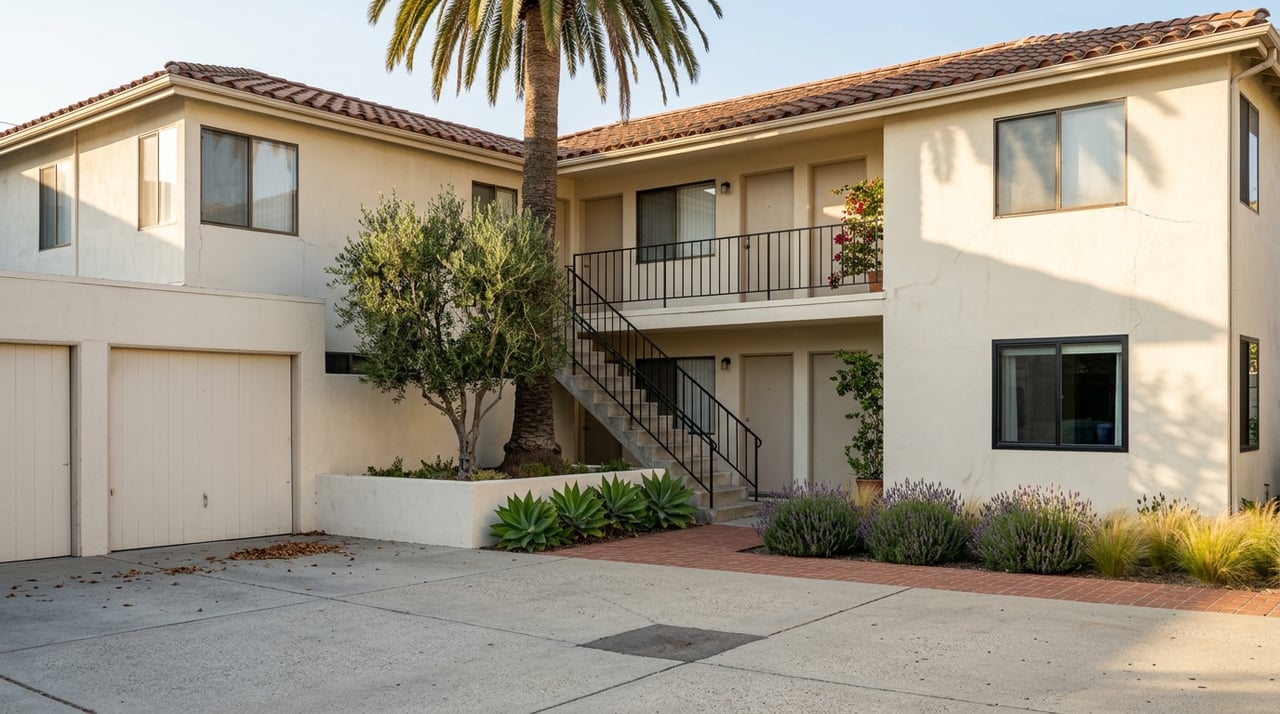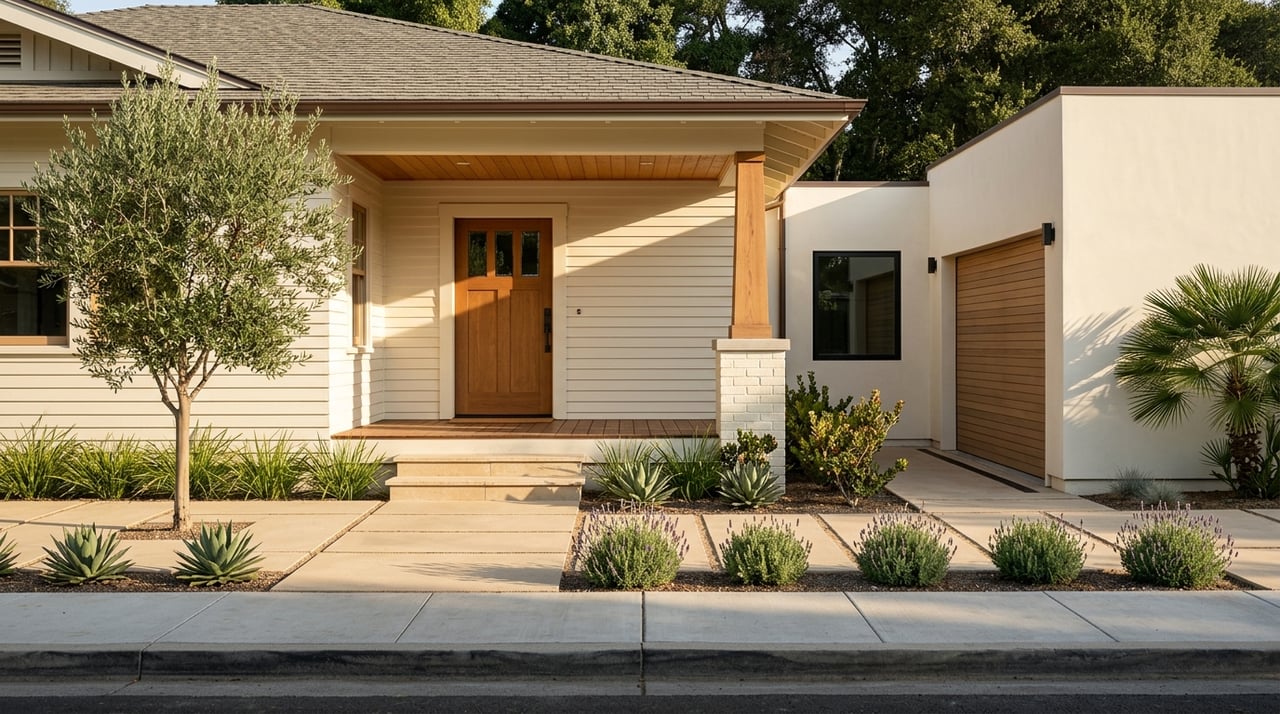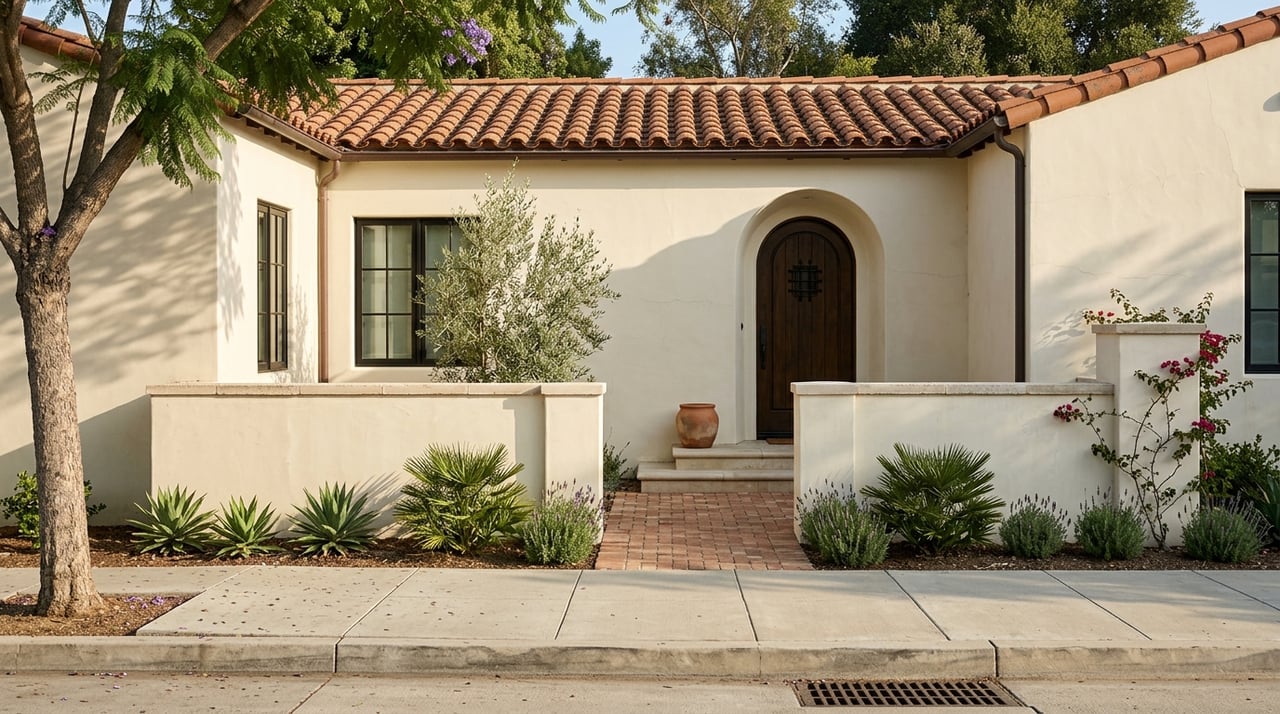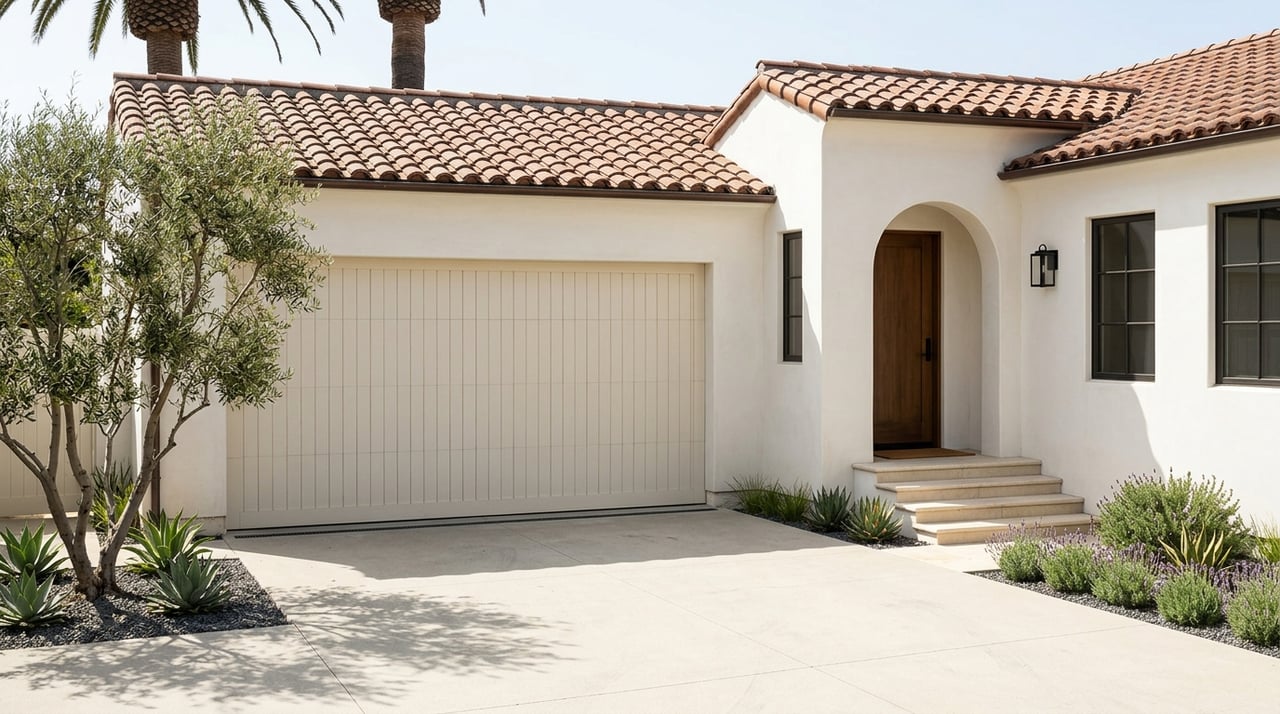
What is Beverly Hills really like when you are not looking at it through a movie screen? If you are considering a move, an investment, or simply trying to understand the area better, it helps to look past the stereotypes. The everyday reality is much more practical, livable, and community-focused than many people expect. Let’s dive in.
Beverly Hills Is a Real Small City
Beverly Hills is not just a famous name or a luxury shopping backdrop. It is a compact city of about 5.7 square miles in Los Angeles County, surrounded by Los Angeles, West Hollywood, Santa Monica, and Culver City.
The city describes itself as a full-service city, which means daily life is supported by its own police, fire, infrastructure, and recreation services. That matters when you are thinking about how a place functions beyond its image.
The city budget also frames Beverly Hills as both a residential community and a commercial center. In practice, that means you are looking at a place with single-family homes, multifamily housing, offices, galleries, retail, and local services all working together in a small footprint.
Daily Life Feels More Grounded
The popular image of Beverly Hills often focuses on luxury labels and celebrity culture. But the day-to-day experience is shaped just as much by parks, library visits, weekend routines, and local errands.
The resident profile also tells a broader story. Census data estimates a 2025 population of 30,764, with 41.0% owner-occupied housing, a median gross rent of $2,830, and a median owner-occupied home value above $2,000,000.
That same data shows a varied community. About 25.4% of residents are age 65 and older, 37.9% are foreign-born, and 43.6% speak a language other than English at home.
Parks Shape the Weekly Rhythm
One of the clearest signs of everyday living in Beverly Hills is the park system. For a city of its size, Beverly Hills has a strong collection of green spaces that support routine use, not just sightseeing.
Beverly Gardens Park Adds Daily Access
Beverly Gardens Park stretches 23 blocks and runs about 1.9 miles. It includes the Beverly Hills sign, a lily pond, a cactus garden, and the Electric Fountain, but for residents, the bigger value is that it creates a long, accessible outdoor corridor through the city.
That kind of space supports walks, short breaks, and casual meetups. It is one reason Beverly Hills can feel more pedestrian-friendly than outsiders may assume.
Roxbury Park Supports Active Routines
Roxbury Memorial Park covers more than 11 acres. It includes spaces for picnicking, lawn bowling, basketball, sand volleyball, baseball, and soccer.
For many households, this kind of amenity matters more than any famous street name. It gives you practical places to spend time, stay active, and build routines close to home.
Greystone and Will Rogers Add Variety
Greystone Mansion & Gardens is open to the public daily from 10 a.m. to 6 p.m. Will Rogers Memorial Park adds another green space that fits easily into neighborhood life.
The city also notes that dogs are allowed in city parks, except Greystone, as long as they remain on a leash. That simple detail says a lot about how these spaces support regular use.
Library and Community Spaces Matter
A place feels livable when its civic spaces are actually used. Beverly Hills has that kind of infrastructure.
The Beverly Hills Public Library averages more than 51,000 visitors per month and holds about 200,000 volumes. It also has parking next door with two hours free, which makes it a practical stop in a normal week.
The library is not a symbolic amenity. It is a high-use public space that supports study, reading, errands, and community engagement.
Roxbury Community Center Adds Convenience
Roxbury Community Center and Memorial Park bring several everyday amenities together in one area. The site includes parkland, recreation facilities, a library annex called the Roxbury Book Nook, and a city preschool program for ages 3 to 5.
That kind of clustering can make a real difference in how convenient a neighborhood feels. It is one more example of Beverly Hills functioning like a service-rich small city rather than a one-note luxury district.
The Farmers' Market Feels Local
The Beverly Hills Farmers' Market is another part of the city’s weekly rhythm. It runs every Sunday from 8 a.m. to 1 p.m. and is a certified market.
The city also offers free two-hour parking in the Civic Center garage during the market. Recurring features like a petting zoo and a Kid Zone on the third Sunday of the month reinforce the idea that this is built around repeat local use, not just tourism.
For buyers trying to picture life here, this matters. Weekly routines often tell you more about a place than its headline attractions do.
Shopping Is Concentrated and Manageable
Yes, Beverly Hills is known for retail, especially Rodeo Drive. But from a lifestyle standpoint, the more useful point is that shopping and dining are concentrated into a compact core.
That concentration can make local errands easier to organize. Instead of being spread across a wide area, many destinations are grouped closely together.
Parking Is Part of the System
Beverly Hills supports that core with a sizable municipal parking network. The city operates 19 parking facilities, about 2,700 parking meters, and 35 EV charging stations with 59 Level 2 ports.
The city’s parking services also include options such as free periods, monthly parking, valet parking, and attendant-assisted lots. In everyday terms, access is convenient, but it is structured.
That is a helpful reality check if you are comparing Beverly Hills to other Westside areas. A lot of daily movement here still depends on understanding where to park and how the city’s access system works.
Transit Is Improving
Beverly Hills is still part of the larger Los Angeles commuting pattern. Census data puts the mean travel time to work at 25.1 minutes for 2020 through 2024.
That gives you a useful baseline if you are thinking about how the city may fit into your workweek. Depending on where you need to go, driving may still be part of the picture.
Rail Access Has Expanded
The transit story changed in May 2026 with the opening of Section 1 of Metro’s D Line Extension. That section includes the Wilshire/La Cienega station in Beverly Hills, and Metro describes the ride from Union Station to La Cienega at about 21 minutes.
The City of Beverly Hills also says Section 2, including Beverly Dr and Century City/Constellation stations, is anticipated to open in Spring 2027. For buyers and future residents, that is an important shift in how the area connects to the broader region.
Local Transportation Still Matters
The city also points to bus service from Metro, LADOT, and AVTA. On weekends, a free trolley runs between Civic Center and Rodeo Drive on Saturdays and Sundays.
Beverly Hills also offers free Dial-A-Ride shuttle service for residents age 62 and older and for residents with disabilities, including trips for supermarkets, medical visits, and recreation. That mix shows a city that still values driving access while building out more transportation options.
The Streetscape Feels More Residential
Another reason Beverly Hills often feels different in person is its landscaping. The city refers to its identity as the "Garden City" and maintains a tree-heavy streetscape through its urban forest of parkway and park trees.
That maintenance shapes the look and feel of many blocks. It adds shade, visual softness, and a more residential atmosphere than many people expect from the city’s public image.
For someone choosing where to live, these details matter. Mature landscaping and well-kept public spaces often have a big impact on how comfortable daily life feels.
What This Means for Buyers and Sellers
If you are buying in Beverly Hills, it helps to think beyond branding and focus on lifestyle fit. The city offers a mix of housing, concentrated amenities, strong public spaces, and improving transit within a compact footprint.
If you are selling, this broader lifestyle story matters too. Buyers may come in with assumptions, but the everyday strengths of Beverly Hills often help shape a more complete and more compelling picture of value.
Whether you are looking at a condo, a single-family home, or a property with long-term upside, it pays to understand how people actually live here. That includes routines, mobility, public amenities, and how the city functions block by block.
If you want help evaluating Beverly Hills through a practical real estate lens, from lifestyle fit to property potential, Tholfaqar Al Emara can help you navigate the details with clear guidance and a steady strategy.
FAQs
Is Beverly Hills only about luxury shopping and celebrity culture?
- No. Beverly Hills also functions as a full-service residential city with parks, a busy public library, recreation programs, a weekly farmers' market, and local transportation services.
What is everyday life in Beverly Hills like for residents?
- Everyday life often centers on practical routines such as park visits, library stops, Sunday farmers' market trips, local dining, errands in the compact commercial core, and regular use of city services.
Can you handle daily errands within Beverly Hills?
- In many cases, yes. The city’s concentrated retail and dining core, library, parks, farmers' market, parking facilities, and weekend trolley make many local trips manageable within the city.
Is Beverly Hills walkable for daily activities?
- Some daily activities can be done on foot, especially around the central core and park corridors, and the city’s landscaped streets and compact footprint support that. At the same time, parking and driving still play an important role.
How is commuting from Beverly Hills?
- Beverly Hills remains part of the broader Los Angeles commute pattern, with a mean travel time to work of 25.1 minutes for 2020 through 2024. Transit access has improved with the D Line Extension, and local bus and weekend trolley options are also available.
What types of residents live in Beverly Hills?
- Census data points to a varied population that includes owners, renters, older adults, and many residents from international backgrounds, rather than one single lifestyle group.