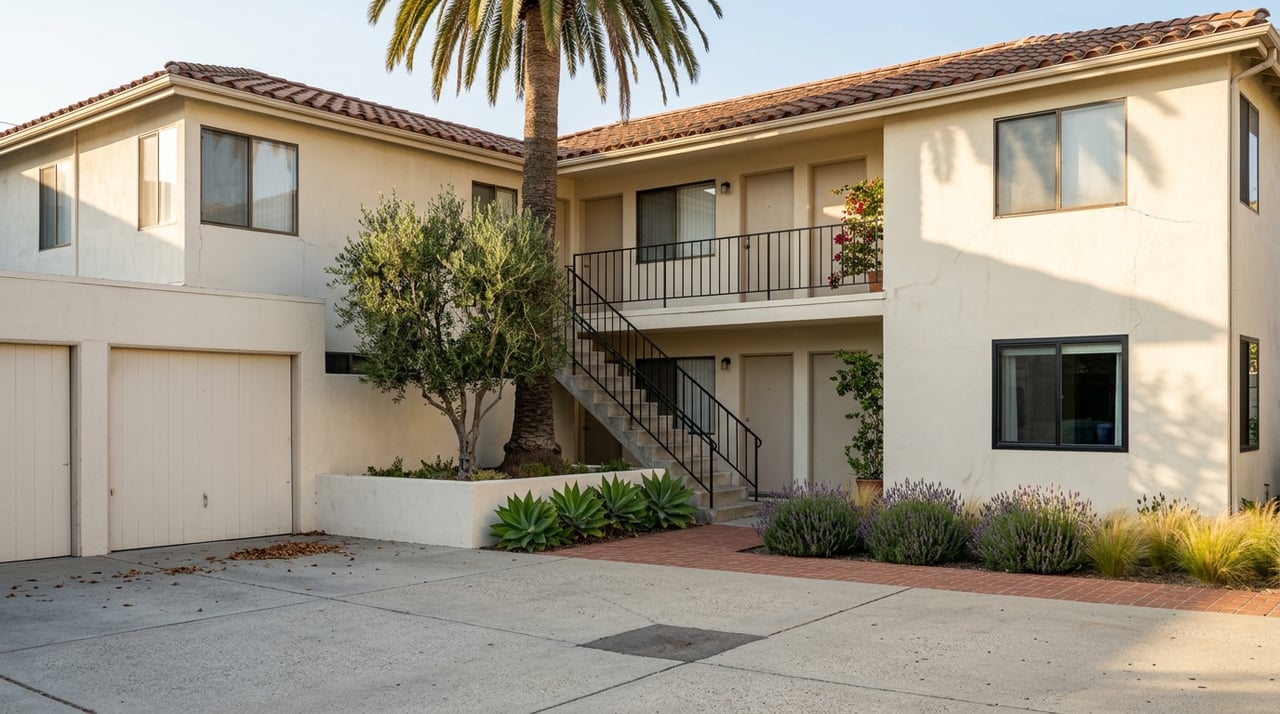
If you are looking at small multifamily in Pasadena, the upside can look exciting at first glance. Rents are high, demand for housing is steady, and older buildings often seem full of untapped potential. But in Pasadena, value-add only works when you read the property, the paperwork, and the local rules together. This guide will help you spot where the real opportunity is, where the friction points are, and how to underwrite more carefully before you make a move. Let’s dive in.
Why Pasadena gets investor attention
Pasadena stands out as a high-cost, high-rent market within Los Angeles County. Census QuickFacts reports a median gross rent of $2,265 and a median owner-occupied home value of $1,093,300 for 2020 through 2024. That combination tells you two things right away: the revenue side can be attractive, and the margin for error on acquisition price is usually thin.
The renter share also matters. With an owner-occupied rate of 42.5 percent, Pasadena has a large renter base, which helps explain why small multifamily continues to draw attention from investors and owner-users alike. At the same time, current Redfin data showing 53 multifamily listings with a median listing price of $1.3 million and median market time of 61 days suggests you need disciplined underwriting, not optimism.
Older housing shapes the value-add play
Pasadena is not a market where you can assume cosmetic updates alone will carry the business plan. The City of Pasadena says 75 percent of its housing stock was built before 1970. Older buildings often need work on roofs, plumbing, electrical systems, heating, and exterior finishes just to stay competitive and compliant.
That older stock can create opportunity, but it also raises the cost of getting things right. A fresh kitchen or new flooring may improve appeal, but deeper issues often drive both budget and timeline. In Pasadena, a value-add strategy usually starts below the surface.
Look beyond the unit interiors
When you tour a duplex, triplex, or small apartment building, the most important upside may not be what you see in the first five minutes. Systems, drainage, deferred exterior maintenance, and structural concerns can have a much bigger impact on returns than surface-level improvements. For buildings built before 1978, lead-based paint may also be part of the due diligence picture.
The city’s housing planning materials make this especially relevant because older properties often need focused reinvestment. If the building has unresolved maintenance issues, those issues can affect not just your rehab budget but also your compliance position.
What strong Pasadena value-add usually looks like
In this market, the most durable upside often comes from solving a real problem. That may mean improving building systems, correcting deferred maintenance, cleaning up records, or creating legal additional living space where the rules allow it. It is usually less about assuming large rent jumps across the board.
A practical value-add plan in Pasadena often centers on:
- Fixing roofs, plumbing, electrical, HVAC, or water intrusion issues
- Improving units during natural turnover
- Verifying legal rents, tenancy records, and registration status
- Exploring ADU or conversion potential where permitted
- Managing expenses more efficiently without lowering property standards
Unit mix still matters
You should also study whether the existing unit mix fits likely demand. Pasadena’s average household size is 2.30 persons, which can support interest in efficient one- and two-bedroom layouts. That is not a hard rule, but it is a useful demand signal when comparing competing properties.
A property with practical layouts, functional parking, and a straightforward rent roll is often easier to reposition than one that depends on aggressive lease-up assumptions. In a city with high entry pricing and regulated rent growth, simple and functional usually underwrites better than speculative.
Rent control can change the math fast
One of the biggest mistakes buyers make in Pasadena is treating value-add like it would work the same way in a lightly regulated market. Pasadena’s local rent stabilization rules are central to the analysis. Measure H applies to most multifamily rental properties built before February 1, 1995, and the city states that the Annual General Adjustment is 2.25 percent from October 1, 2025 through September 30, 2026.
That matters because your upside may be slower than expected if your plan depends on broad rent increases. Certain properties are exempt, including units built after 1995 and some separately saleable single-family homes and condos, but many older duplexes, triplexes, and apartment buildings will fall under the local framework.
Compliance affects income potential
Pasadena also states that rent increases are not permitted when an owner is out of compliance with housing, building, health, or safety regulations, or with Pasadena Rental Housing Board orders. In other words, deferred maintenance is not just a property condition issue. It can directly affect revenue.
That is why systems-first rehab is so important here. If the building has code issues, the path to improved income may start with repairs and compliance before any pricing strategy can work.
The paper trail matters as much as the building
A clean rent roll is not enough on its own. Pasadena’s Rental Registry requires covered units to be registered annually, with updates within 30 days for rent increases, tenancy changes, and ownership changes. The registry includes details such as unit size, rent, occupancy count, security deposit, parking, utilities, and owner contact information.
If records are missing, inconsistent, or poorly maintained, treat that as a real warning sign. It may point to operational sloppiness, but it can also signal regulatory exposure that takes time and money to correct.
Questions to ask before you write an offer
Before you move forward on a small multifamily property in Pasadena, it helps to ask a short list of direct questions:
- Is the property covered by Pasadena rent stabilization, or does it fall under an exemption?
- Is the current rent roll complete and supported by registry records?
- Have there been any recent correction notices, code issues, or compliance problems?
- Were past renovations and additions properly permitted?
- Is the upside based on turnover, physical improvements, ADU potential, expense savings, or all of the above?
- If the long-term plan involves resale as a duplex, does the property need Pasadena’s presale self-certification process?
These questions can help you separate true opportunity from expensive cleanup work.
ADUs can create upside, but only if the site fits
Accessory dwelling units can be a meaningful value-add tool in Pasadena, but the local rules are more specific than many buyers expect. For sites with existing multifamily dwellings, Pasadena permits converted ADUs and detached new ADUs. The city does not permit attached new ADUs or JADUs in that multifamily configuration.
Parking rules also deserve close attention. Pasadena requires one parking space per ADU unit or bedroom, whichever is less, but waives parking in several situations, including near transit, within existing enclosed space, or in historic districts. The city also states that replacement parking is not required if a garage, carport, or surface space is demolished or converted as part of the ADU project.
Budget for custom planning work
There is another practical wrinkle. Pasadena says its ADU Standard Plans expired on December 31, 2025 and are no longer generally available as of January 1, 2026, except for Eaton Fire red-tagged properties. So if your strategy depends on adding an ADU, it is smart to underwrite custom design and planning costs rather than assuming a faster template-based path.
The city still offers online ADU submission and a free virtual consultation, which can help you evaluate feasibility early. Even so, the best ADU opportunities are usually the ones that make sense before you start stretching assumptions.
Historic review can slow exterior-heavy plans
Pasadena has a strong preservation identity, and that can affect timelines and scope. The city has more than 200 individual historic sites and 26 historic neighborhoods, and small multifamily forms like bungalow courts are part of that local architectural history. For investors, this means exterior changes may be more sensitive than they first appear.
Pasadena says a Historic Resources Evaluation is required for major projects on properties more than 45 years old. Designated landmarks, landmark districts, National Register properties, and some historically significant properties may face review for exterior alterations, additions, relocations, and demolitions.
Interior improvements may be simpler
That does not mean a property has no upside. It means the upside may be better captured through interior rehab, systems upgrades, and operational cleanup rather than aggressive exterior alteration. If your business plan depends on major additions or visible facade changes, you will want to study historic status early.
Larger redevelopment depends on location
Some buyers are not just looking for unit upgrades. They are looking for a site with longer-term redevelopment potential. Pasadena’s General Plan directs higher-density development toward the Central District, transit villages, neighborhood villages, and major corridors.
That makes location inside Pasadena especially important when the upside depends on adding units or pursuing a more intensive redevelopment path. A property that looks average today may have a different strategic value if it sits in one of the city’s targeted growth areas. Still, that kind of play requires careful planning and should not be treated as automatic.
A smart screening framework for Pasadena deals
If you want a cleaner way to evaluate small multifamily opportunities here, start with four filters: condition, compliance, constraints, and credible upside. This keeps you focused on what is actually actionable.
Here is a simple way to think about it:
| Filter | What to check |
|---|---|
| Condition | Roof, plumbing, electrical, HVAC, water intrusion, exterior wear, structural concerns |
| Compliance | Rental Registry records, inspection history, code issues, permits, rent-control coverage |
| Constraints | Historic review, soft-story questions, parking, ADU rules, site layout |
| Credible Upside | Turnover strategy, legal unit improvements, ADU conversion, expense control |
When a deal passes these four filters, you are much closer to identifying real value-add potential. When one or more categories are unclear, your pricing and contingency strategy should reflect that uncertainty.
Final thoughts on finding the right opportunity
In Pasadena, the best small multifamily value-add deals usually are not the ones with the flashiest story. They are the ones where you can clearly identify a physical problem, a compliance issue, or a legal space-use opportunity and solve it without relying on unconstrained rent growth. That approach fits Pasadena’s older housing stock, local rent rules, and preservation-minded environment.
If you are evaluating a duplex, triplex, fourplex, or another small multifamily property in Pasadena, a calm and informed process matters. With the right lens, you can spot the difference between a property with real upside and one that only looks good on a spreadsheet. If you want help thinking through condition, negotiation, and value-add angles before you buy or sell, connect with Tholfaqar Al Emara.
FAQs
What makes Pasadena small multifamily different from other Los Angeles County markets?
- Pasadena combines high entry prices, older housing stock, local rent stabilization, and historic preservation considerations, so value-add plans often require more careful underwriting.
How does Pasadena rent control affect small multifamily value-add potential?
- For many multifamily properties built before February 1, 1995, rent growth is regulated under Pasadena’s local rules, which means upside often comes more from turnover, rehab, compliance, ADUs, or expense control than from large rent increases.
What should you inspect first in a Pasadena duplex or triplex?
- Start with major systems and deferred maintenance, including roof, plumbing, electrical, HVAC, water intrusion, exterior wear, and any structural concerns, because these items can affect both budget and compliance.
Can you add an ADU to a Pasadena multifamily property?
- In many cases, Pasadena allows converted ADUs and detached new ADUs on multifamily sites, but attached new ADUs and JADUs are not allowed in that setup, so site-specific review is important.
Why do Pasadena Rental Registry records matter when buying multifamily?
- Registry records can help confirm rents, tenancy details, parking, utilities, and ownership information, and missing or inconsistent records may signal operational or regulatory issues.
Can historic rules affect a Pasadena value-add renovation?
- Yes. For major projects on properties over 45 years old, historic review may apply, especially for exterior alterations, additions, relocations, or demolitions on designated or historically significant properties.