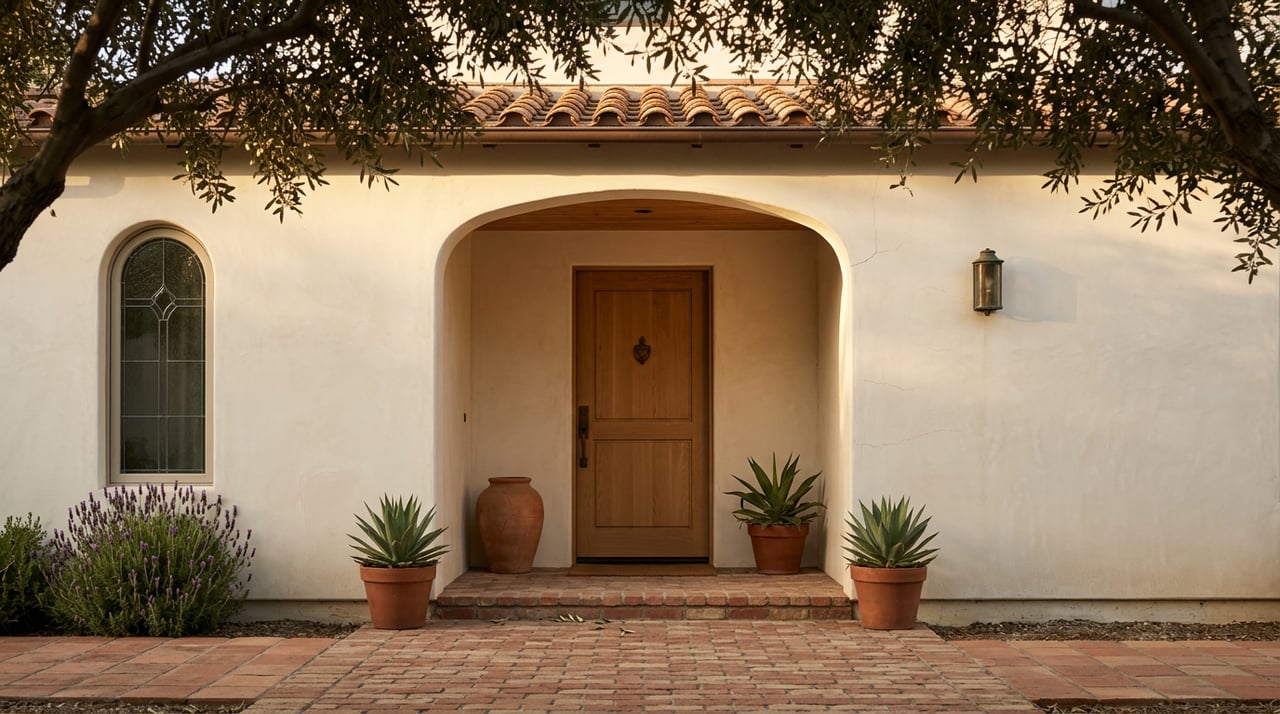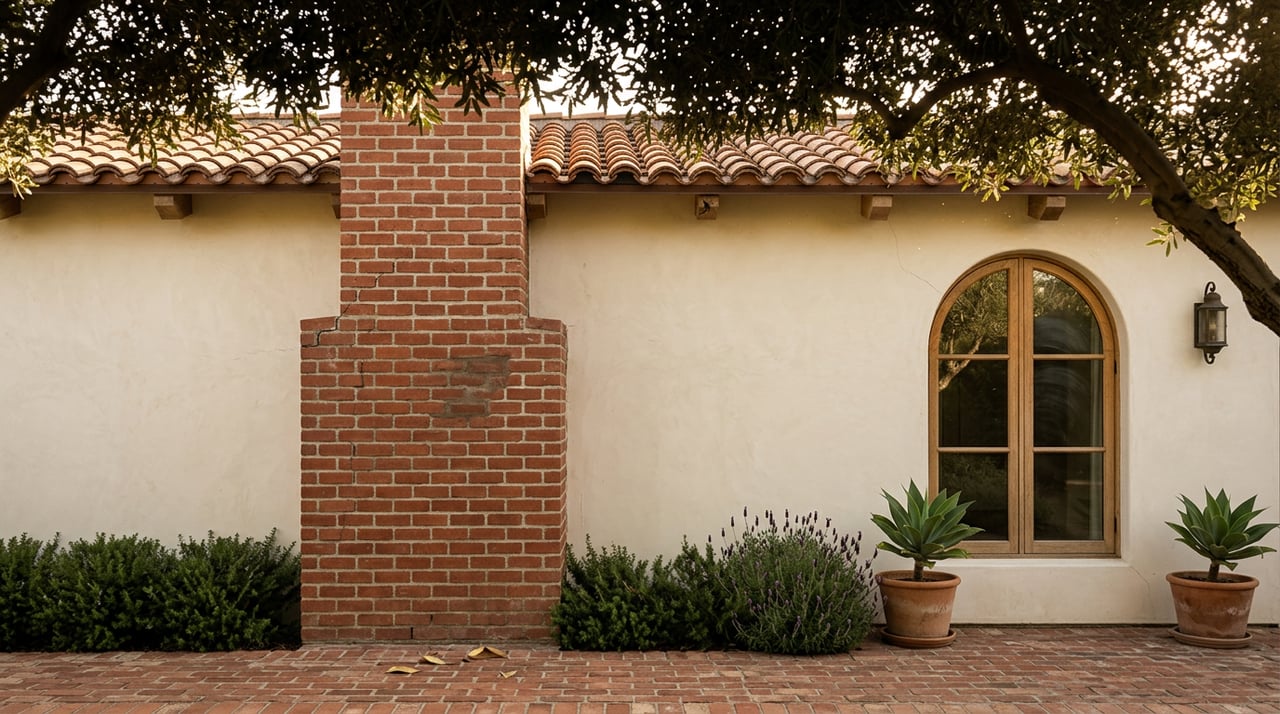
Most sellers in Pasadena treat pre-listing prep as a cosmetic exercise. Paint, stage, price, list. On a 1920s Craftsman in Bungalow Heaven or a Spanish Revival south of Colorado, that framing quietly guarantees a hard second act. The buyer's inspector, the City of Pasadena, and the buyer's insurance carrier are all going to look at the same short list of systems, at nearly the same time, during your contingency window.
The thesis of this piece is simple. On a pre-1940 Pasadena home, closing on time is not a repair problem. It is a sequencing problem. The seller who orders the right three inspections before the sign goes in the yard controls the price, the timeline, and the vendor list. The seller who lets the buyer discover those items first is negotiating from behind for the rest of escrow.
The One Requirement That Is Not Optional
Pasadena runs a point-of-sale sewer lateral compliance program. Before ownership transfers, the seller has to produce a compliance certificate showing the private lateral is intact. The city's municipal code defines the "house sewer" as the horizontal piping beginning 24 inches from the exterior wall of the building and extending to its connection with the public sewer line. Everything in between belongs to the homeowner, even the portion that runs under the public street.
Compliance is confirmed by a licensed plumber's closed-circuit television scope. If the camera finds root intrusion, offset joints, or the classic cast-iron corrosion pattern common on lots with mature trees, the lateral has to be repaired or replaced. Any repair in the public right of way requires a Pasadena Public Works permit. A trenchless reline carries a processing fee plus a refundable $500 construction deposit, with pre- and post-lining video sent to [email protected]. Pipe bursting is approved case by case, HDPE or PVC only, priced at the current new-lateral schedule plus the same deposit.
The tactical point is timing. If your buyer's inspector discovers a failed lateral during the buyer's contingency window, you are looking at roughly two to six weeks of permit and repair work while a nervous buyer sits on their loan lock. A pre-listing scope, ordered before you sign a listing agreement, converts that potential blow-up into a known line item. If the lateral is clean, you list with the certificate in hand and remove one of the largest levers a buyer's agent will otherwise use against you. If it is not clean, you fix it on your calendar and price accordingly.
The Four Items The Buyer's Inspector Will Find Anyway
The rest of the older-home report is boringly predictable. Pasadena's pre-1940 stock, concentrated in Bungalow Heaven, the Craftsman districts, and the older streets north of California Boulevard, has the same handful of findings on nearly every inspection.
| System | Why it shows up on the report | What a seller does about it |
|---|---|---|
| Unreinforced masonry chimney | Decades of thermal cycling and past shaking crack the mortar and separate the flue; damage often hides above the roofline | Chimney sweep evaluation + a documented repair or a strap-and-brace where appropriate |
| Cripple walls on a raised foundation | Original 1900–1930 construction was rarely bolted or braced; this is the classic collapse mode in strong shaking | Retrofit under the California Earthquake Authority's guidelines, or price the credit into the listing |
| Active knob-and-tube wiring | Original circuits still energized in attics and walls; carriers increasingly decline to bind coverage on active K&T | Electrician trace of what is actually live; targeted rewire of the energized runs |
| Galvanized supply and cast-iron drains | Galvanized rusts from the inside out and throttles flow before it leaks; cast iron and clay drains crack and take roots | Section replacements with copper or PEX on supply; camera-verified spot repairs on drains |
Read that table the way a buyer's agent reads it. Every row is a repair credit request unless the seller has already handled it or already priced it. The point of a pre-listing inspection is not to fix everything. It is to decide, in advance and in daylight, which items you will repair, which you will disclose and credit, and which you will simply let stand at the listed price. That decision is much cheaper made in July than made in escrow.
The Insurance Overlay That Changed After January 2025
There is a second buyer sitting quietly at your kitchen table during every Pasadena escrow. The insurance carrier. Pasadena sits between the Raymond Fault and the Sierra Madre Fault, and a strand of the Raymond Fault is a designated Alquist-Priolo Earthquake Fault Zone. That geology has always shaped underwriting. What changed is the Eaton Fire in January 2025, which reset how carriers price and bind wildfire coverage on foothill properties from Altadena south into the north Pasadena streets.
The transaction consequence is that a growing share of Pasadena buyers now have to bind hazard insurance before they remove contingencies. Carriers ask specific questions. Is the foundation bolted. Are the cripple walls braced. Is active knob-and-tube present. When the answer is "unknown," the quote either comes in high, comes with exclusions, or does not come at all. A seller who can hand the buyer a completed foundation retrofit report, a signed electrical scope, and a clean sewer certificate is not just a well-prepared seller. They are the seller whose deal survives the insurance call.
A Sequence That Keeps Escrow On The Rails
For a pre-1940 Pasadena home, the order of operations is the strategy.
- Sewer lateral CCTV scope. This is the one compliance item the city will require regardless. Do it first. If the line is clean, you have the certificate. If not, you now have a permit timeline to plan around before the listing goes live.
- Foundation and cripple wall walk-through with a retrofit contractor. You are not necessarily committing to the work. You are deciding whether to retrofit, credit, or price.
- Electrical trace by a licensed electrician on any home built before 1940 with original plaster walls. The question you need answered is not "is there knob-and-tube in the attic" but "what is energized." Insurers care about the second question.
- Chimney and roof intersection inspection, particularly on original masonry chimneys.
- Pre-listing home inspection, ideally by a Pasadena-specialist inspector who documents pipe material, panel amperage, foundation anchoring, and cripple-wall bracing in language a buyer's inspector will recognize.
The total cost of this sequence typically lands in the low four figures. The savings, measured against the average credit ask on an unprepared 1920s sale, are usually five figures. More importantly, the seller enters escrow with a repair narrative rather than reacting to one.
If The Property Is A Small Multifamily
Pasadena runs a separate track for rental properties with three or more units. The city's Quadrennial Inspection Program, established in 1987 in cooperation with the Pasadena Board of Realtors and the Foothill Apartment Owners Association, inspects every 3-plus-unit rental once every four years and issues a Certificate of Occupancy once violations are corrected. If you are selling a small multifamily and your Quadrennial cycle is due or overdue, buyers and their lenders will ask. Pull the file before you list, not after you accept.
The same logic applies to any planned ADU or expansion the buyer might inherit. Adding 400 square feet or two additional plumbing fixtures triggers a required sewer capacity inspection under Public Works' development conditions, so a savvy value-add buyer will want the lateral information anyway.
FAQ
Can I skip the pre-listing sewer scope if the home is newer? The point-of-sale compliance requirement applies regardless of age. If the lateral is newer PVC and well documented, the scope simply confirms it and produces the certificate quickly. The friction is on original clay and cast iron.
Does a pre-listing inspection increase my disclosure risk? California disclosure law already requires you to disclose known material facts. A pre-listing inspection surfaces those facts on your timeline instead of the buyer's. Discuss the specifics with your agent and, where warranted, a real estate attorney.
Will retrofitting the foundation raise my price or just prevent a credit? Both effects show up in Pasadena, but the more reliable one is defensive. A completed retrofit removes one of the most common re-trade requests and, increasingly, makes the home insurable in the first place.
What if the buyer's inspector still finds something I missed? They will find something. The goal of pre-listing work is not a perfect report. It is a report with no surprises large enough to renegotiate the deal. Small items become fix-or-credit conversations, not price cuts.
Selling a historic Pasadena home rewards preparation more than almost any other transaction in the region. If you are thinking about listing a Craftsman, a Spanish Revival, or a small multifamily in the coming months and want a plan that puts the compliance items and the insurance calls in the right order, Tholfaqar Al Emara would welcome the conversation. Let's Connect.