Looking for a Los Angeles neighborhood that feels calmer day to day without cutting you off from shopping, dining, parks, and the rest of the Valley? Woodland Hills stands out for exactly that balance. If you want a more suburban rhythm with practical conveniences nearby, this guide will help you understand what living here actually feels like and whether it fits your lifestyle. Let’s dive in.
What Woodland Hills Feels Like
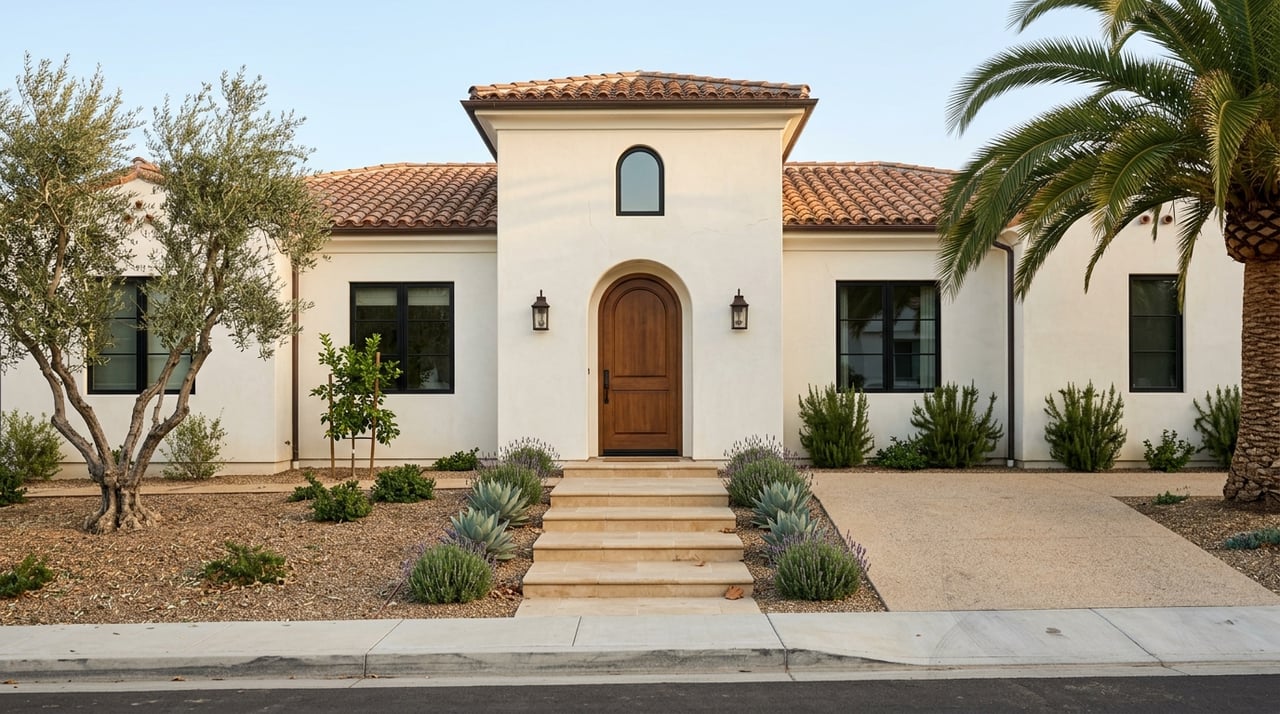
Woodland Hills is often described in city planning documents as suburban in character, and that framing matches how many people experience it. You get a more residential feel, along with a village-scale commercial corridor on Ventura Boulevard that gives the area some everyday energy without making it feel overly dense.
That said, Woodland Hills is not all one thing. Warner Center adds a different layer to the neighborhood, with a planned mixed-use district that includes residences, shopping, office space, park access, a hospital, and Metro service. In practical terms, that means you can enjoy a quieter home base while still being close to a major retail and employment hub.
Ventura Boulevard and Warner Center
Ventura Boulevard helps define the Woodland Hills experience. Local planning documents emphasize it as a pedestrian-friendly main street, which supports the area’s village-like identity and gives residents a place for errands, meals, and casual outings.
Warner Center brings a busier, more destination-oriented feel. The Los Angeles Conservancy describes it as a 1.5-square-mile planned community, and it functions as one of the area’s main centers for work, shopping, and activity. If you like having options nearby without living in a dense urban core, that mix is a big part of Woodland Hills’ appeal.
Daily Errands Are Straightforward
One of the clearest lifestyle advantages in Woodland Hills is convenience. The area offers large retail centers that make it easier to combine errands, grab a meal, fit in a workout, or handle a medical appointment in one trip.
Topanga Village is a strong example of that everyday ease. Its tenant mix includes restaurants, coffee spots, fitness, health services, and practical stops like The UPS Store and Total Wine & More, along with surface parking, garage parking, and valet. For many residents, that means errands can feel efficient rather than scattered.
Nearby Westfield Topanga adds another layer of convenience. It serves as a regional shopping anchor with shopping and leisure uses, free Wi-Fi, and 27 EV charging stations. That setup supports both quick visits and longer, destination-style outings.
Recreation Fits Real Life
If your ideal neighborhood includes accessible recreation, Woodland Hills offers solid options for regular routines. You are not limited to one type of activity, which can make it easier to build a lifestyle that includes fitness, outdoor time, and community events.
The Woodland Hills Recreation Center offers a broad range of programming through the City of Los Angeles Recreation and Parks Department. Activities include basketball, soccer futsal, pickleball, volleyball, tennis, baseball, flag football, and track and field, along with camps and classes tied to arts, music, cooking, and science-and-nature topics.
Warner Center Park adds another kind of value. It includes picnic tables and a bandshell, and it hosts the long-running Summer Concerts at the Warner Center series. That gives the area a community-gathering element that can make the neighborhood feel active in a relaxed, local way.
Outdoor Access Beyond the Neighborhood
For buyers who want suburban comfort but still value access to bigger outdoor spaces, Woodland Hills has a strong advantage. Topanga State Park is close enough to become part of your regular routine if hiking, riding, or trail time matters to you.
California State Parks lists Topanga State Park as open, with current restrictions tied to fire recovery. The park offers 36 miles of trails, plus hiking, mountain biking on fire roads, horseback riding, and Pacific Ocean views. It is wise to check current trail status before heading out, but the access itself is a meaningful lifestyle benefit.
Getting Around Woodland Hills
Woodland Hills is connected by major west San Fernando Valley corridors, and that shapes daily life in a very practical way. Ventura Boulevard, Topanga Canyon Boulevard, and the 101 Freeway all play an important role in how residents move around the area.
City planning materials also make it clear that both parking and pedestrian access matter here. That points to a neighborhood where driving is still central, even as some commercial areas are designed to be more comfortable for people on foot.
Transit is available, but it plays more of a support role than a leading one. Metro’s 601 Warner Center Shuttle connects Canoga Station, the Warner Center Transit Hub, and Woodland Hills stops, with service throughout the day on weekdays and weekends. Metro is also upgrading the G Line through its improvements project, aimed at making trips faster with features like grade separations, signal priority, and a new aerial station at Van Nuys.
A Mostly Car-Oriented Lifestyle
For most residents, Woodland Hills functions as a mostly car-oriented neighborhood. That is reflected in the roadway network, the role of major retail centers, and the emphasis on parking across commercial areas.
This is an important point if you are comparing Woodland Hills to denser parts of Los Angeles. You may find the tradeoff worthwhile if you value space, easier parking, and a quieter residential setting more than highly walkable, block-to-block urban living.
Who Woodland Hills Often Fits Best
Woodland Hills can be a strong fit if you want a neighborhood that feels residential but not isolated. You are close to major shopping, dining, recreation, and employment areas, yet the overall character remains more suburban than urban.
This often appeals to buyers who want a calmer home environment and still need practical access to the rest of the Valley. It can also suit people who want room to spread out a bit more while staying connected to daily essentials.
The Main Tradeoff to Consider
The biggest tradeoff in Woodland Hills is convenience versus density. You get access to neighborhood amenities, regional retail, recreation, and major road connections, but you are not choosing a dense urban core built around constant walkability or rail-first commuting.
That does not make the area less desirable. It simply means the lifestyle here is shaped more by driving, planned errands, and destination-style activity centers. For many buyers, that is exactly the point.
Why Buyers Look Closely Here
When buyers ask whether Woodland Hills is a good fit, they are usually asking whether it offers suburban calm without feeling disconnected. Based on the planning framework, recreation options, commercial anchors, and transportation setup, the answer is often yes.
You can think of Woodland Hills as a Valley suburb with a village-scale Ventura Boulevard corridor, a busy Warner Center retail node, meaningful recreation options, and daily routines that still largely revolve around driving. If that sounds aligned with how you want to live, it is a neighborhood worth serious consideration.
If you are thinking about buying, selling, or investing in Woodland Hills or anywhere nearby, working with an advisor who can help you evaluate not just location, but also property condition, value, and upside can make a real difference. Tholfaqar Al Emara brings a calm, strategic approach to helping clients navigate Los Angeles real estate with clarity and confidence.
FAQs
What is daily life like in Woodland Hills, Los Angeles?
- Daily life in Woodland Hills tends to feel suburban and practical, with a quieter residential setting, a village-scale Ventura Boulevard corridor, and easy access to major shopping and dining near Warner Center.
Is Woodland Hills more suburban or urban?
- Woodland Hills is generally described in city planning documents as suburban in character, with Warner Center serving as a more mixed-use and active exception within the broader area.
What shopping and errands are convenient in Woodland Hills?
- Woodland Hills offers convenient access to places like Topanga Village and Westfield Topanga, where you can combine shopping, dining, fitness, health services, and other everyday errands.
Are there parks and recreation options in Woodland Hills?
- Yes. Woodland Hills Recreation Center offers a wide range of sports and program options, Warner Center Park hosts community events like summer concerts, and Topanga State Park provides larger-scale trail access nearby.
Is Woodland Hills walkable for everyday living?
- Some parts, especially around Ventura Boulevard, are more pedestrian-friendly, but Woodland Hills overall functions more as a car-oriented neighborhood than a dense, highly walkable urban core.
What is commuting like from Woodland Hills?
- Commuting in Woodland Hills largely revolves around major roadways like Ventura Boulevard, Topanga Canyon Boulevard, and the 101 Freeway, with Metro shuttle service available as a secondary transit option.